Behind the Letters.
An independent editorial effort, assembled in London. Orela Letters exists to observe the relationship between when people eat and how that rhythm shapes the rest of a day.

How Orela Letters Came Together
The publication began as a series of informal notes on a recurring observation: the writers who contributed to food and lifestyle journalism consistently found that readers were less interested in what they ate than in when they ate it. Meal timing, eating rhythm, and the daily food schedule surfaced again and again as the more resonant questions.
Rather than fold those observations into broader food writing, a decision was made to give the subject its own space. Orela Letters was assembled to document that space — to gather evidence-informed perspectives on food timing, circadian eating awareness, and the body clock's relationship with the daily meal pattern.
The London editorial office opened in early 2025. The publication now runs three to four long-form pieces per month, each reviewed by a second editor before publication.

London, 2025 — Founding editorial notes
What the Publication Does
Observed Eating Patterns
Writers document real-world observations on meal timing and eating rhythm across different daily routines, drawing on published nutritional research and personal field notes.
Source-Referenced Writing
Each article draws on peer-reviewed dietary studies and published nutritional literature. Sources are cited where available and reviewed by a second editor before publication goes live.
Independent Editorial Lens
No commercial affiliations shape the subject selection. Writers disclose any relationships that could influence their choice of topic, and corrections are noted publicly when they arise.
The Editorial Team
Eleanor has written on food schedules and daily eating rhythm for over eight years. Her background is in nutrition journalism and she has contributed to several independent food publications across the United Kingdom.

Tobias writes on circadian eating awareness and the body clock's relationship with structured eating. His field notes on London household eating patterns have been among the publication's most-read pieces.
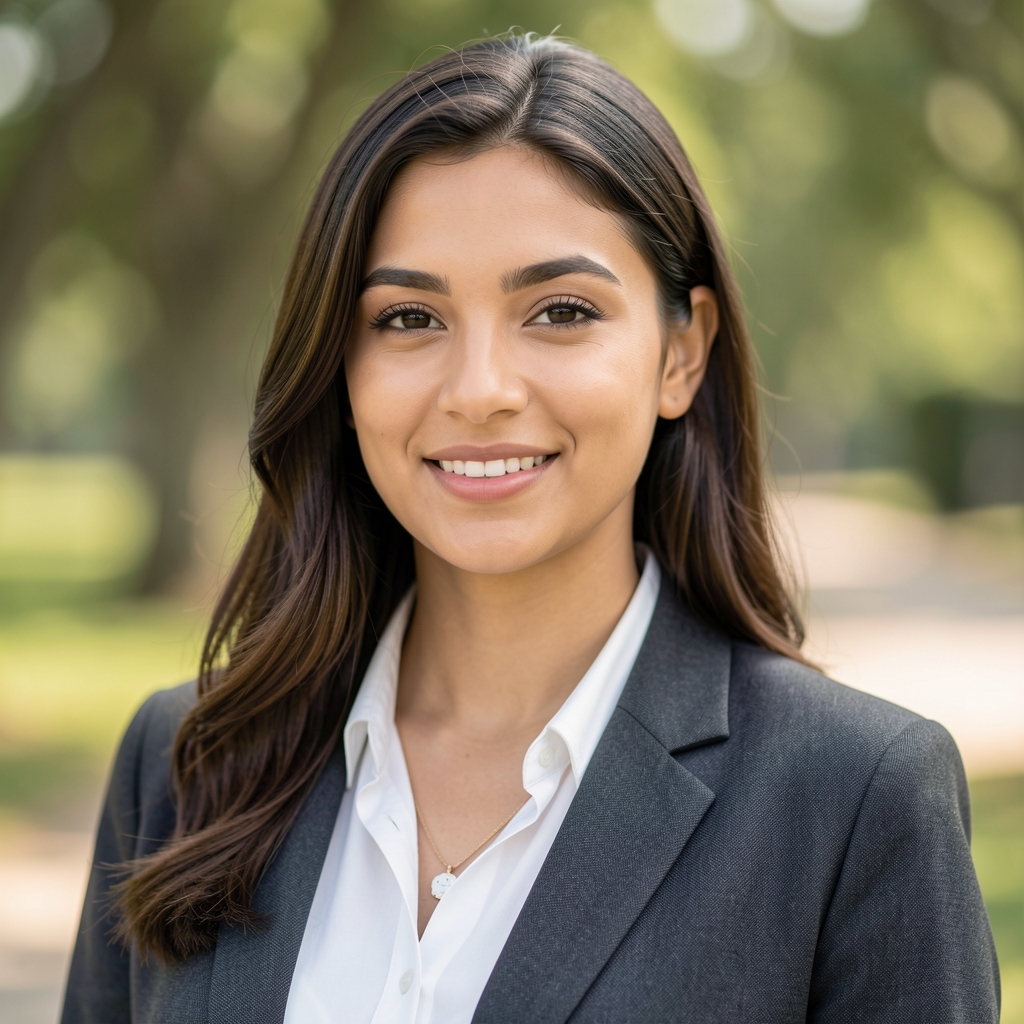
Phoebe contributes occasional long-form pieces on breakfast habits and morning meal choices. She brings a background in food anthropology and a particular interest in how cultural context shapes the first meal of the day.

Jasper reviews all articles before publication, with a focus on source accuracy and adherence to Orela Letters' editorial standards. He also manages the publication's corrections process and reader correspondence.
The Approach to Subject Matter
Orela Letters does not advocate for any particular eating style, diet programme, or commercially available food product. The subject is meal timing — the when of eating — and the publication keeps a narrow focus on that question.
Writers are encouraged to bring their own observational voice to their pieces while remaining anchored in published nutritional research. The tone is quieter than a magazine feature and more personal than an academic review — a field-notes quality that the founding editors identified as the right register for this subject.
Articles published on Orela Letters are editorial in nature and reflect the writers' observations on meal timing, eating rhythm, and daily food scheduling. The content is not intended as professional advice, nor as guidance for the management of any specific condition. Readers with specific concerns about their daily routines are encouraged to speak with a qualified wellness professional.
The publication's subject selection begins with a review of recent nutritional literature on meal frequency, circadian eating awareness, and structured eating patterns. Writers then propose angles that translate that research into readable long-form pieces.
A second editor reviews every article before publication. The review focuses on source accuracy, factual consistency, and adherence to the editorial principles detailed on the Editorial Standards page.
Reader correspondence is welcome. Questions about subject coverage, source citation, or editorial decisions can be directed to [email protected].