Orela Letters
EST. 2026  ·  LONDON, UK  ·  INDEPENDENT PUBLICATION

The Rhythm
of the Plate.

An editorial record on meal timing, eating rhythm, and daily food scheduling. Observations drawn from published nutritional research and the quiet patterns of everyday life.

Read the Journal
Featured
Current Issue
Morning Meals and Daily Energy

How the first meal of the day relates to the quiet logic of energy across a working schedule.

Eleanor Whitfield  ·  9 min
03
Articles Published
7
Meal Timing Topics
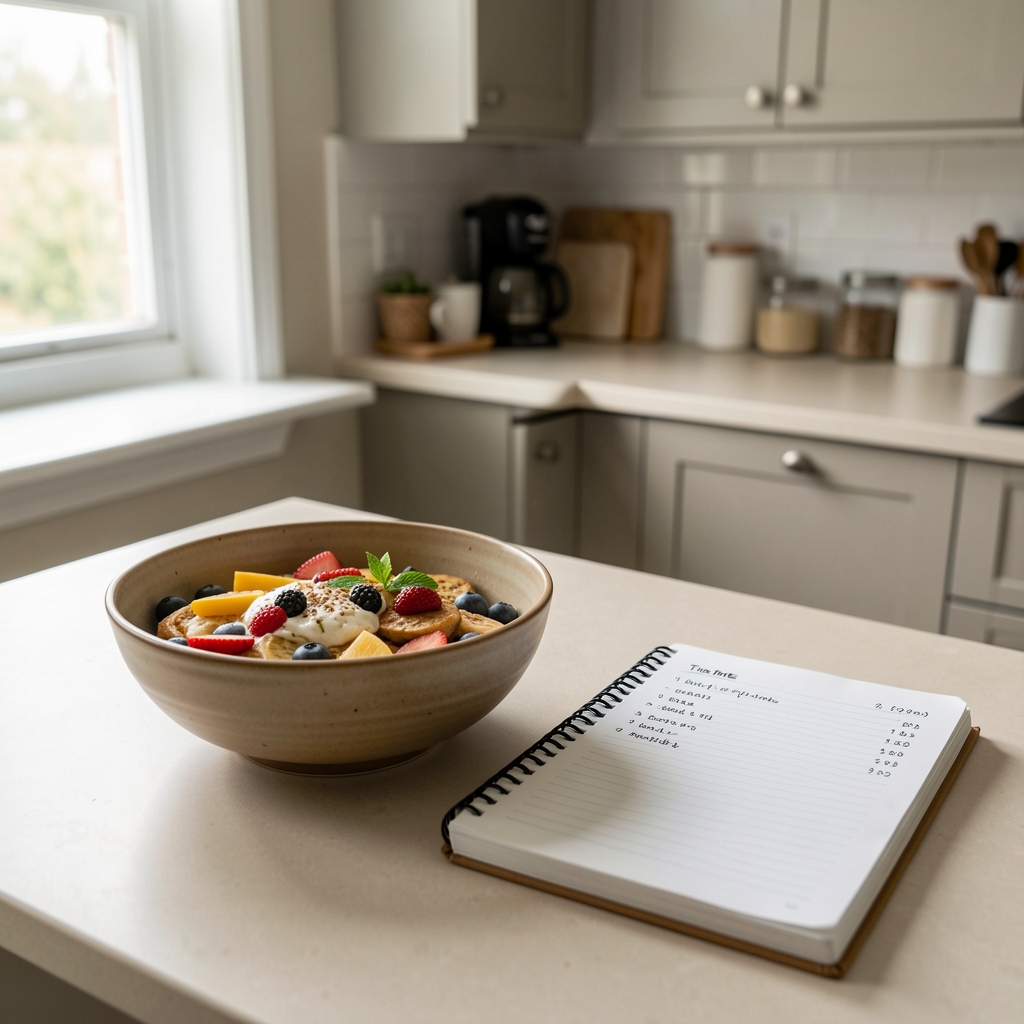
Kitchen counter in morning light with a notebook open to a food schedule page, minimal editorial composition on pale surface
01
The Approach

A record, not a directive.

Orela Letters does not recommend schedules. The publication observes them — through published nutritional literature, household food diaries, and the patterns that surface when people document what they eat and when.

02
The Subject

When we eat shapes how we feel.

The relationship between meal timing and daily energy rhythm is quieter and more consistent than many assume. Each article in this journal focuses on a single aspect of that relationship — morning, midday, evening, or overnight.

03
The Evidence

Evidence-informed and editorially independent.

Articles are selected based on published nutritional research and reviewed by a second editor before publication. No commercial relationships influence subject selection. No results are promised.

3
Featured Articles
7
Topics Covered
2026
Publication Year
2+
Editorial Writers
Editorial Philosophy

Structure as a lens, not a rule.

This publication holds no position on the "correct" way to eat. The subject is the relationship between timing and rhythm — observed, noted, and presented without conclusion.

What consistent meal times contribute to everyday life is not singular. It varies by person, by season, by occupation. Orela Letters documents that variation rather than smoothing it into guideline.

About the Publication
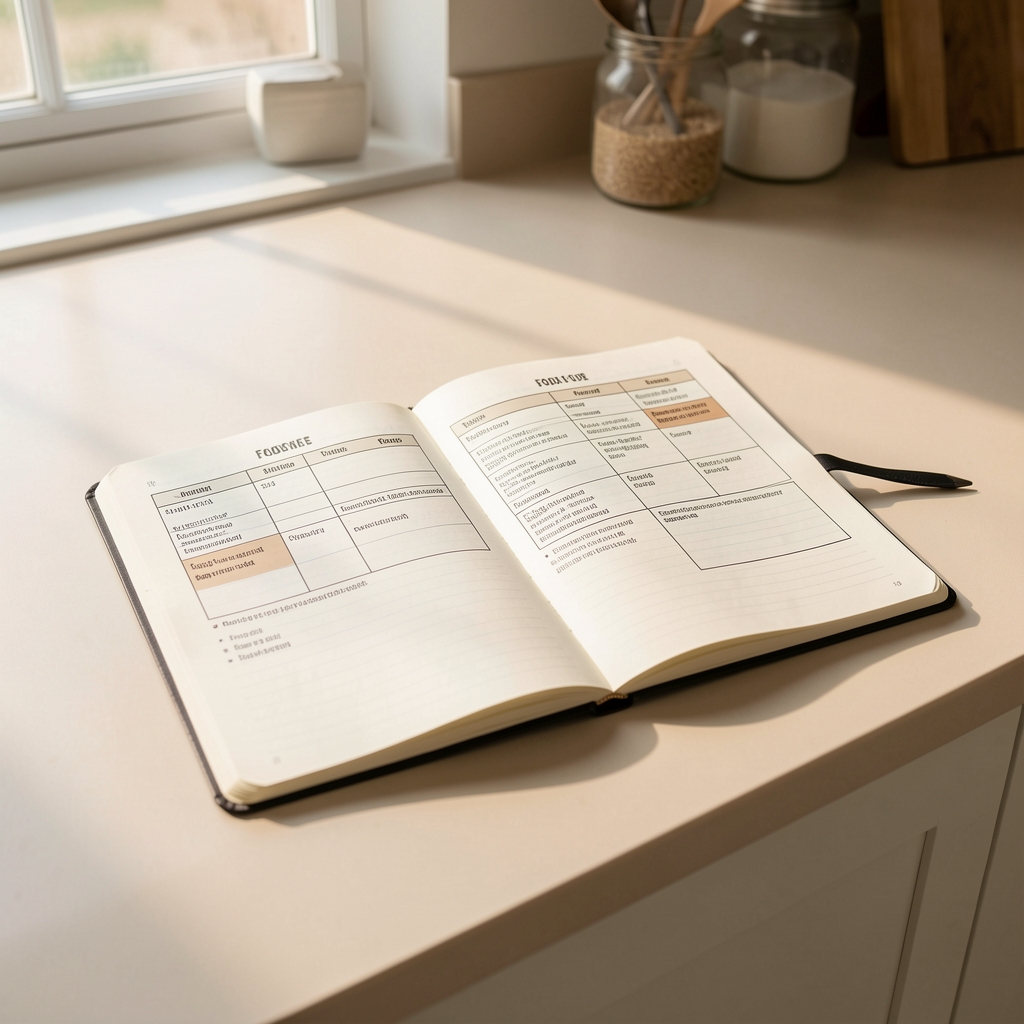
Light-filled editorial workspace with a desk, food journal open to a weekly schedule, and a cup of tea beside a wall of handwritten notes
Format
Long-form observation
Frequency
Independent quarterly
The body keeps its own record of when food arrives. The question is whether we pay attention to it.
Orela Letters — Editorial Note, January 2026
Coverage Areas

What the journal covers.

01

Morning Meal Choices

How the first meal of the day — its content, its timing, and its regularity — relates to the pattern of appetite that follows through the morning hours.

02

Evening Eating Patterns

Late eating habits and their relationship to overnight rest, observed across households where the main meal is taken after eight in the evening.

03

Meal Frequency and Spacing

The relationship between how many times a day food is consumed, and how consistently spaced those occasions are, in relation to steady daily energy rhythm.

04

Circadian Eating Awareness

Body clock and food: how the relationship between the hour of eating and the body's internal scheduling influences a predictable daily energy rhythm and overnight balance.

Questions

Frequently asked.

Common questions about the publication, its scope, and its editorial position on food scheduling and eating rhythm.

Orela Letters is an independent editorial publication exploring meal timing, eating rhythm, and daily food scheduling in everyday life. The publication is not affiliated with any commercial, governmental, or institutional body. Its focus is observational: documenting the relationship between when people eat and the patterns that emerge from consistent or inconsistent food schedules.

No. Articles published on Orela Letters are editorial in nature and reflect the writers' observations on meal timing, eating rhythm, and daily food scheduling. The content is not intended as professional advice, nor as guidance for the management of any specific condition. Readers with specific concerns about their daily routines are encouraged to speak with a qualified wellness professional.

Content published by Orela Letters is selected based on published nutritional research and reviewed for editorial accuracy by a second editor before publication. Articles are reviewed by at least one second editor before publication, sources are cited where appropriate, and writers disclose any commercial relationships that could influence their selection of subject matter.

Within the articles, consistent meal times refers to the practice of eating at broadly predictable intervals across a day and across days of the week. The observation — drawn from published nutritional literature — is that regular intervals support a predictable daily energy rhythm. The publication neither endorses nor rejects any particular schedule; it documents what patterns have been observed in everyday life.

The journal is edited by Eleanor Whitfield, a London-based editorial writer whose work focuses on everyday food and its relationship to daily structure. Contributions are occasionally made by guest writers with editorial or nutritional research backgrounds. All articles undergo second-editor review before publication.

Editorial Standards

How the journal selects and reviews its articles.

Orela Letters operates under a clear set of editorial principles. Every article is assessed against the available nutritional literature, reviewed by a second editor, and published with source notes attached. The methodology is transparent and consistent.

01
Source Selection
02
Editorial Review
03
Disclosure Check
Read Full Methodology
Contact the Editors

Questions about the publication, pitch inquiries, or corrections may be directed to the editorial team.

[email protected]
64 Benwell Road, London N7 7BW, United Kingdom
London EC1V 2NR
United Kingdom